

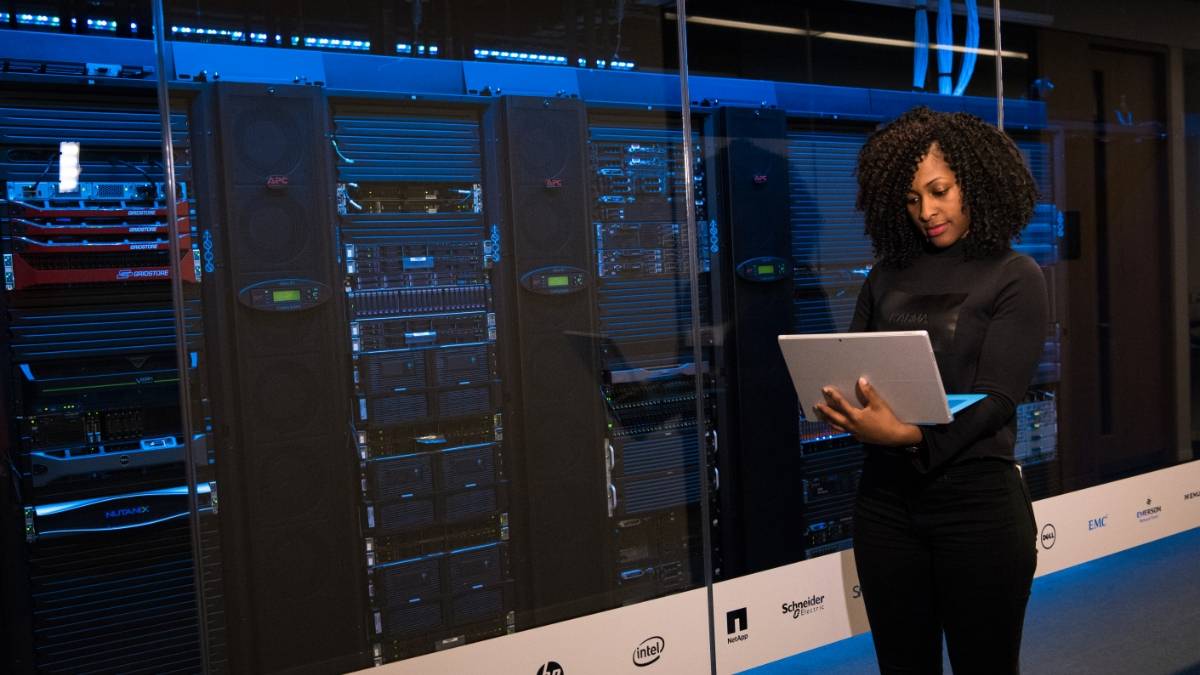
Colombia. The digital world continues to expand, and to support the advancements of AI and high-performance computing, it is necessary to rethink the way modern critical infrastructures are designed and operated.
Currently, the challenge is not only to expand technological capacity, but to do so by optimizing the use of resources, improving operational efficiency and extending the life cycle of the infrastructure.
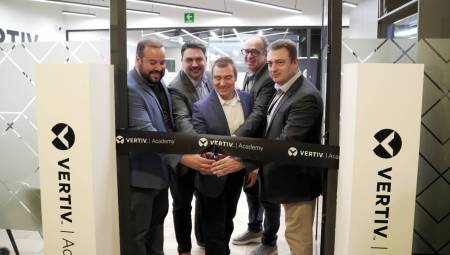
Approaches to lifecycle optimization and waste reduction are becoming more relevant in the data center industry. At Vertiv, the challenges associated with the infrastructure life cycle are managed considering from the design to the end of life of the equipment, incorporating strategies that allow its use to be extended and resources optimized.
Each technology solution can be integrated into an end-of-life management strategy, geared towards the reuse, refurbishment or recycling of components where applicable.
Modernizing existing data centers allows for electrical and thermal systems to be upgraded and operational efficiency improved without the need to rebuild infrastructure from scratch.
This approach is especially relevant in data center environments, where electrical, thermal and support infrastructure must constantly evolve to respond to new capacity and density demands in the market, including power system upgrades, thermal management and monitoring, areas in which Vertiv has specialized solutions and services.
Part of these efforts is also materialized through the Vertiv Trade-In program, which facilitates technological renewal by recovering unused equipment and channeling it into recycling processes through certified partners. In addition, Vertiv develops cooling technologies designed to improve energy efficiency, along with power systems and architectures that allow consumption to be optimized in high-density environments.
Efficient design and operation of digital infrastructure
Resource efficiency starts from the design stage. By integrating monitoring capabilities and services that allow for optimized operation, it is possible to extend the useful life of the infrastructure.
These strategies also make it easier to modernize existing facilities and improve data center performance without disrupting operations, incorporating practices such as predictive maintenance and modular approaches that allow infrastructure to be adapted to new demands.
As digital critical infrastructure continues to expand to support new workloads, integrating lifecycle optimization strategies into data center design, operation, and modernization becomes a key element in improving operational efficiency and resource utilization.