

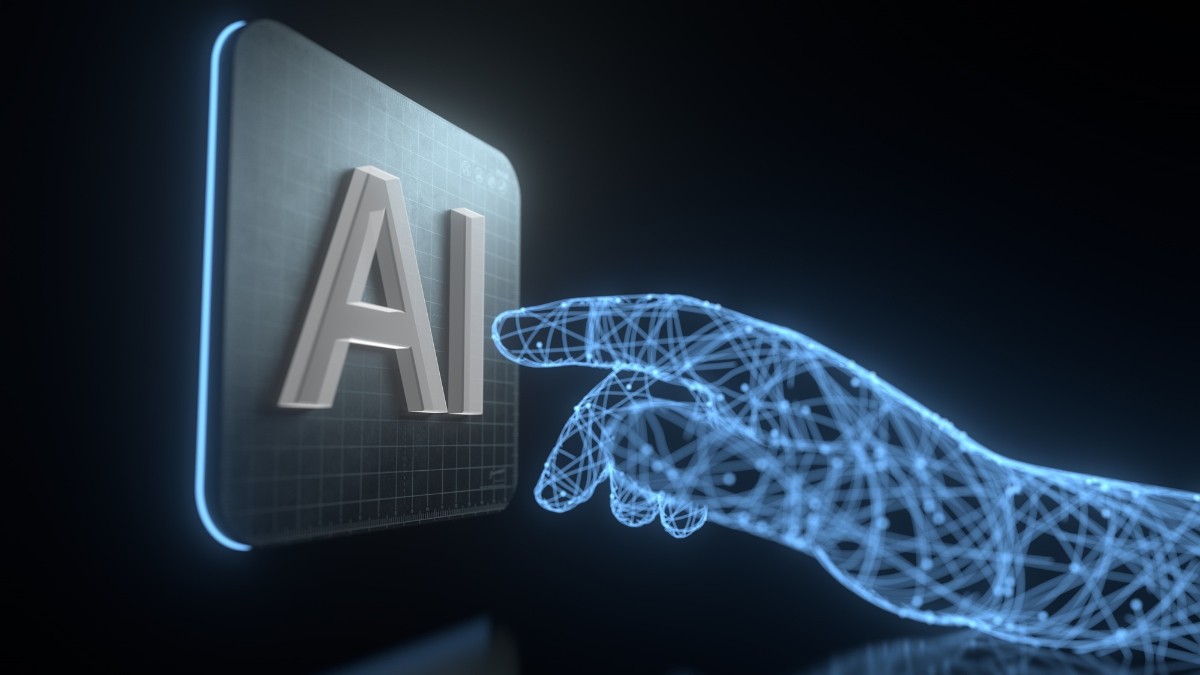
Latin America. Artificial Intelligence (AI) is becoming the new operating system of the digital world. What just three years ago seemed like an interesting experiment is now at the heart of Big Tech's strategy.
In that context, Apple's decision to rely on Google to power Siri with Gemini models is one of the most relevant moves we've seen in this race.
Apple built its success under almost absolute control of its ecosystem, its own design, its own hardware and its own software. That vertical integration allowed him to create products that work seamlessly with each other. However, generative artificial intelligence was a game-changer. Developing advanced language models requires gigantic amounts of data and computing power, an area where Google has taken advantage.
Siri was always a functional, but limited, assistant. Designed for concrete tasks and structured responses, it never evolved into a truly conversational interaction. When language models capable of understanding context and generating complex responses appeared, this limitation became even more evident.
The agreement between Apple and Google is, above all, an act of self-criticism. Apple recognizes that, to seriously compete in artificial intelligence, it needs a partner with proven technological muscle. Google, meanwhile, gains privileged access to an ecosystem of more than two billion devices. Apple provides the interface, the design and the relationship with the user while Google provides the cognitive engine.
This move also redraws the competitive balance. OpenAI had managed to position itself as the great benchmark for artificial intelligence thanks to ChatGPT and its mass adoption. But being left out of the core of the Apple ecosystem means losing key territory in the battle for the next generation of users.
As I mentioned in my last column, in the new era of AI, it is not enough to have the best technology, you have to know how to integrate it. That is precisely the profound meaning of this alliance. Apple is not looking to show off the largest model on the market, it is looking for artificial intelligence to feel natural inside its devices. Make Siri better understandable, more helpful, and get more done without the hassle. From that perspective, leaning on Google is a logical decision.
The market reaction was immediate. Alphabet surpassed four trillion dollars in stock market value and consolidated the narrative that the real competitive advantage of the next decade will be control of AI models and the ecosystems where they operate. It is not only about who develops the best algorithms, but also about who manages to bring them massively into everyday life.
We are entering a different stage of the technological revolution. Artificial intelligence is no longer a tool to become the new interface of the digital world. What we see today between Apple and Google is not just a trade agreement, it is a sign of how the map of the entire industry is being redrawn.
Analysis by Gonzalo Rojon of The Competitive Intelligence Unit, The CIU.