

Mexico. Screens no longer compete only on size or resolution. Today they compete for form, integration and the ability to transform spaces. In retail and corporate environments, the traditional rectangular format is beginning to fall short in the face of a trend that combines design, technology and commercial strategy: flexible LED modules.
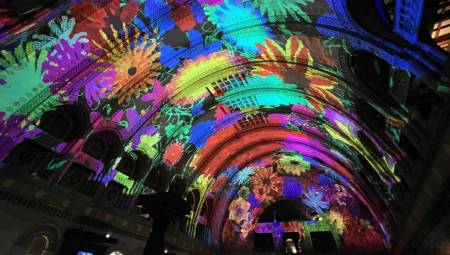
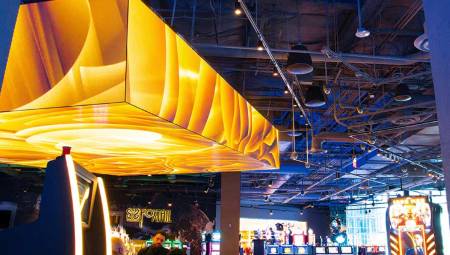
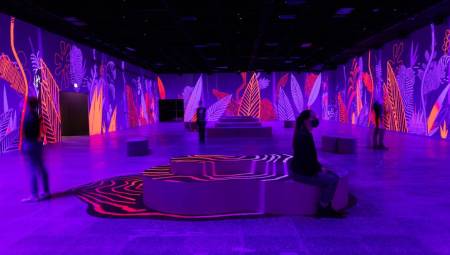
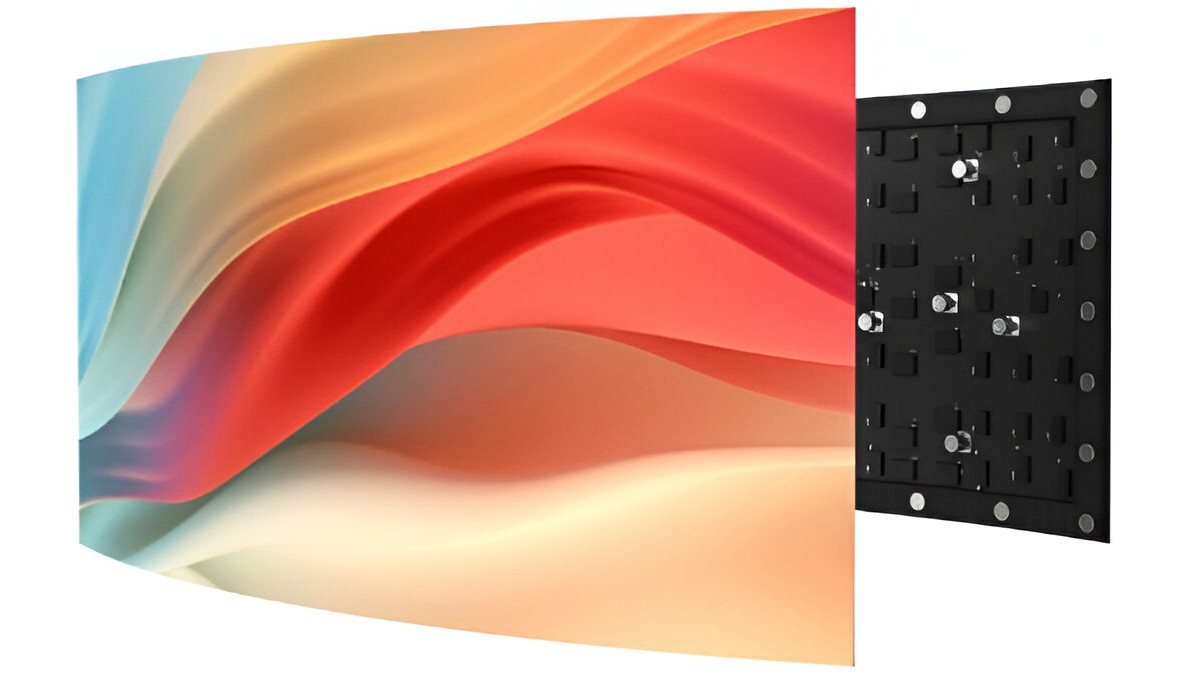
LED displays are no longer just rigid rectangles installed on flat walls. In Mexico, the growth of flexible LED is marking a new stage in the integration between architecture and visual technology, allowing the creation of curved shop windows, immersive spaces and immersive experiences in real time
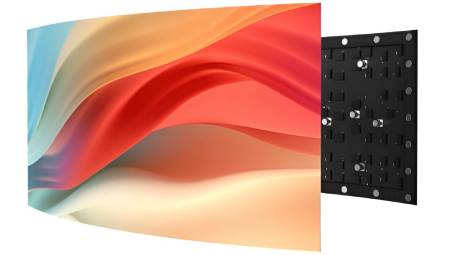
But what exactly are flexible LED modules, and why are they gaining traction in the country? Unlike the traditional modules that the brand handles for both interior and exterior, this technology allows it to adapt to curved or organic surfaces, which allows and facilitates its installation in columns, domes, tunnels, shop windows and complex architectural structures.
This has opened up new possibilities for real estate developers, shopping centers and brands looking to differentiate their physical spaces from the digital environment. Giving freedom both to advertisers in a different way of expressing themselves and in the same way to the architect or artist to seek to create and realize a digital work.
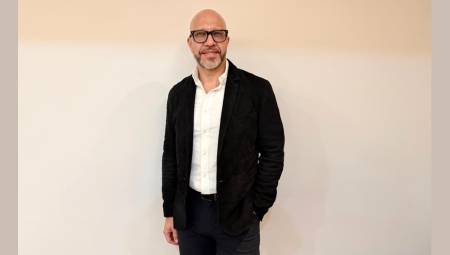
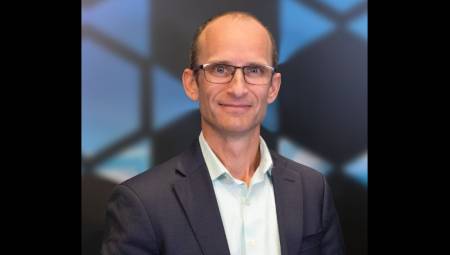
"Today architecture is no longer static. With flexible LED module solutions we can turn a space into a dynamic visual experience that connects with people and reinforces brand identity," said Alfonso Plasencia, Pre-Sales Project Engineer for Display at Hikvision Mexico.
Digital architecture and immersive experience
The adoption of curved LED screens and dynamic visual solutions is growing in retail, hospitality and corporate projects in cities such as Mexico City, Monterrey and Guadalajara. The trend responds to three key factors:
• Digitization of shop windows and commercial spaces.
• Increased demand for immersive in-person experiences.
• Integration of intelligent digital signage.
In addition to the visual impact, the flexible LED offers relevant technical advantages for the Mexican market: energy efficiency, lower structural weight and the ability to integrate with intelligent control systems. This allows you to manage content in real-time, segment audiences, and update messages without physical intervention.
"Today, physical space plays a key role in brand strategy. Flexible LED modules don't just illuminate; it is integrated into the design, accompanies the architecture and generates experiences that really connect with people. Its versatility allows the development of solutions for interiors, curved or special edge formats, with high image quality and the necessary resistance to operate in different conditions. With rigorous standards in each module, these solutions can be adapted to large commercial deployments as well as corporate and industrial applications. At Hikvision we have integrated this technology into our professional audiovisual offer because the market is evolving: it is no longer just about size or resolution, but about how technology is integrated into the space to generate tangible value in Retail and corporate."
The executive highlighted that the growth of DOOH (Digital Out-of-Home or Digital Outdoor Advertising) is accelerating the demand for versatile LED screens, capable of integrating into architectural design and enhancing the commercial value of each space. He stressed that today it is possible to create completely customized solutions, without the limitations of conventional formats.