

Colombia. The data center market in Colombia could reach US$1.16 billion by 2030, with a compound annual growth rate of 17.55% between 2026 and 2030, according to Juan Aguirre, commercial director of Ilkari, an Irish multinational leader in sovereign infrastructure for regulated and mission-critical industries.
This dynamism not only reflects expansion in technological infrastructure, but also translates into faster and more stable digital services and greater data protection. In addition, it promotes technological innovation accessible to companies, guarantees the operational continuity of strategic sectors and contributes to the generation of specialized employment.
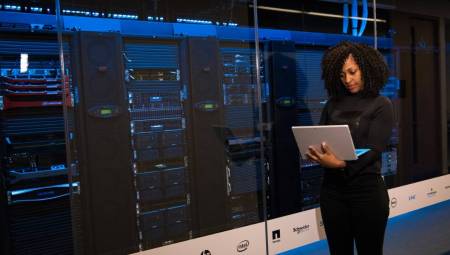
However, traditional architectures are no longer sufficient to support these new workloads. Artificial intelligence, advanced analytics, and 24/7 digital operations require data centers designed for high-density loads, with advanced cooling systems, redundant electrical architecture, and certifications that ensure operational resiliency. Migrating to cloud environments and high-availability infrastructures becomes a key strategy for competitiveness and continuity.
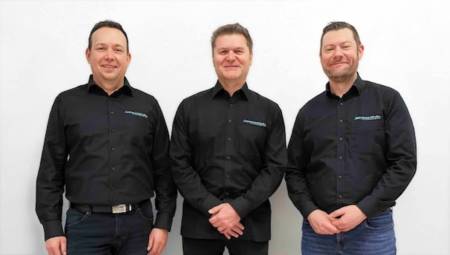
"Digital competitiveness today is measured in resilience, sovereignty and performance. Having certified infrastructure prepared for critical loads attracts technological investment and strengthens strategic sectors such as banking, telecommunications, education, health and government. Colombia is moving from being an emerging market to an environment prepared for mission-critical operations," says Aguirre.
As artificial intelligence is adopted on a large scale, the challenge for digital infrastructure is no longer just about increasing computing capacity. The industry is increasingly focused on optimizing the balance between energy demand, operational efficiency, and technology architecture.
In this context, sustainability emerges as a strategic factor for the development of data centers, driving efficient designs that combine high compute density, advanced thermal management, and a balanced integration between centralized infrastructure and edge computing capabilities.
Supporting high-density loads and critical operations depends on much more than software or computing power. "Competing in AI at scale requires electrical resilience, high-density rack configurations, and certified operational maturity capable of withstanding continuous high-load environments.
The design of the infrastructure becomes as critical as the algorithms themselves. Without these technical conditions, it is difficult to compete in AI at scale. Colombia is building this technical base to consolidate itself as a relevant regional player," explains Eduardo Espinel, data center manager at Ilkari Colombia.
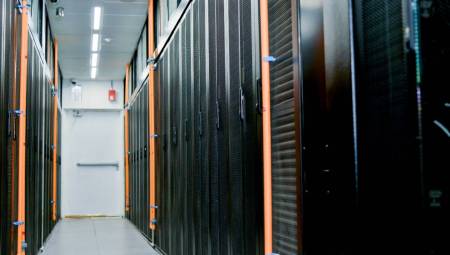
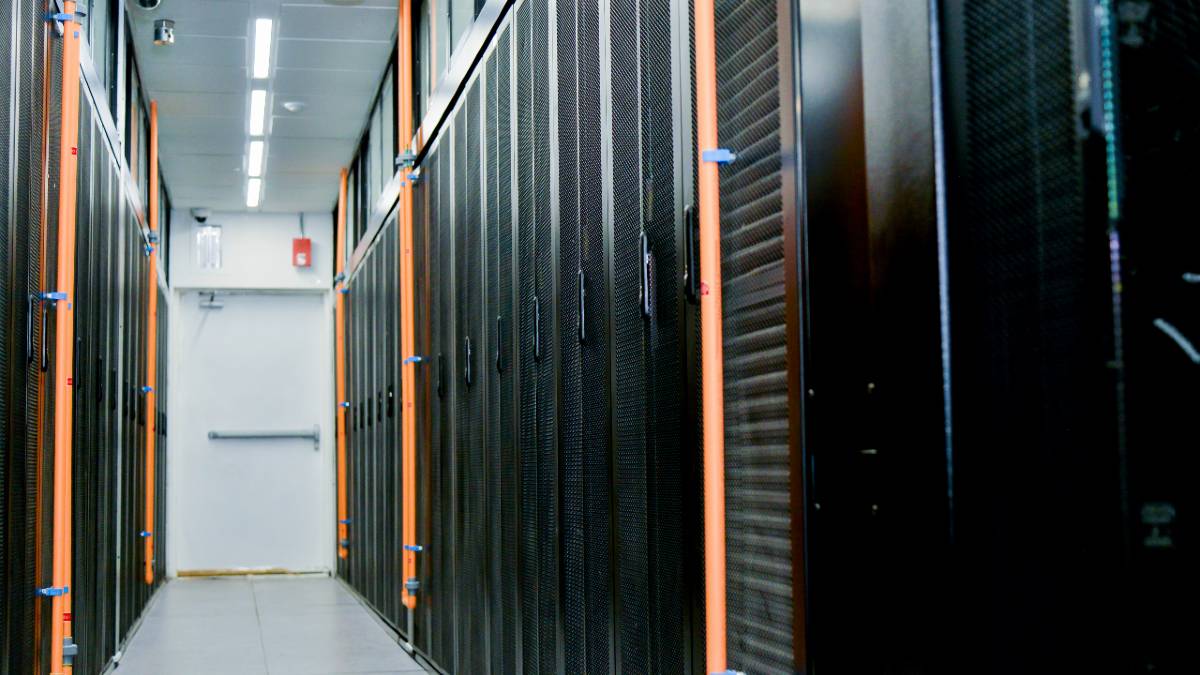
In response to these demands, the Irish multinational has transformed the infrastructure architecture in its Tocancipá Free Trade Zone Data Center. While until a few years ago the market standard was around 5 kilowatts per rack, the new phases of investment contemplate configurations of at least 10 kilowatts per rack, with capacities that can reach between 20 and 30 kilowatts, preparing for the next generation of digital services.
So far, the company has invested US$25 million, close to 25% of the total projected deployment, and plans to complete the remaining investment to expand its digital hub and develop a scalable sovereign infrastructure campus, capable of supporting Colombia's digital growth.