


Latin America. Building management is entering a new era, moving from traditional controls to intelligence-driven operations. For years, we saw AI experimentation and testing for basic functions and purpose-built tools.
They were deployed on a limited scale, often focused on a single asset or task at a time: successful in demonstrating the concept, but failing to achieve the operational efficiencies that building managers really need.
The next evolution is AI and automation at scale. Across industries—from data centers to healthcare facilities—there is a common theme: the need for intelligent, integrated systems that simplify operators' jobs and improve performance.
Burdened by complexity, time-consuming manual processes, and labor shortages, operators need tools that connect data across their facilities, automate routine tasks, and support teams with clear, actionable insights. By 2026, these capabilities will no longer be considered premium features; will become basic expectations.
Building a foundation for interoperability
To get to this point, better interoperability is essential. As buildings generate more information, operators need systems that can interpret data using shared standards and ontologies. Until recently, teams relied on proprietary software and closed data models, making integration extremely difficult. This fragmentation has slowed down continuous innovation.
Now, with the rise of AI and IoT devices, connected frameworks are breaking down these barriers, allowing data to flow freely between diverse assets and automation to deliver more informed actions.
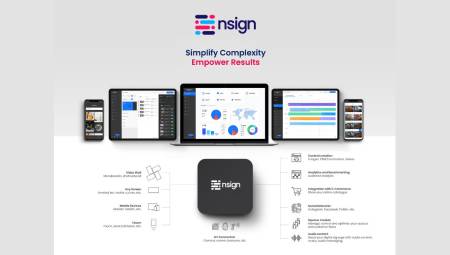
Intelligent tools demonstrate how integrated architectures are beginning to transform the industry. The unified data structure and ontology model of these platforms normalize information from multiple sources, avoiding the need for custom integrations or extensive engineering support. This creates a consistent operational view for teams, while reducing onboarding complexity and accelerating time to value.
With a more standardized data structure, operators can move beyond reactive decision-making. They gain the ability to evaluate the performance of multiple systems from a single interface and leverage AI and automation to coordinate comprehensive actions that previously required considerable manual intervention.
As these frameworks mature, interoperability will become a deciding factor in vendor selection by the end of 2026, with industry groups strongly pushing for the formalization of standards that make integration seamless.
Driving operational efficiency through automation
The transition to AI-enabled building management systems will support efficiency improvements in several areas. By consolidating equipment data—such as temperature and energy consumption—these platforms can analyze performance and, over time, predict failures before they disrupt operations. Predictive analytics will allow maintenance teams to detect problems long before they materialize.
Early warnings facilitate timely service scheduling, minimize impact on occupants, and help extend the life of critical equipment. For example, Verizon is implementing AI-powered building management to anticipate critical issues before they become serious and costly. AI-backed platforms can help technicians avoid unnecessary trial-and-error processes, shorten repair cycles, and reduce overall operating costs.
With greater connectivity also comes greater visibility. Access to real-time data means that operators no longer make decisions based on historical reports. Instead, they can see how the building and its critical systems are performing in real-time. This allows them to make adjustments to maximize energy use, which has historically been one of the highest operating costs. According to the U.S. Department of Energy, 30% of the energy used in commercial buildings is wasted.
This level of information is invaluable for those managing building portfolios or large campuses, such as Vanderbilt University, which uses an AI platform to improve the efficiency of systems across its campus and reduce energy consumption, particularly in older buildings.
In hotels, centralized monitoring and automation can significantly optimize energy consumption and reduce HVAC energy use by up to 25%. By 2026, energy optimization will go from being a best practice to becoming a formal performance metric.
Making building operators more efficient
Labor shortages will continue to be a persistent pressure point for facilities teams, as many organizations face difficulties in hiring or retaining experienced operators. As this pressure continues, AI will become a critical support layer in building operations.
AI is emerging as a frontline assistant, helping to assess conditions, identify issues that require attention, and suggest appropriate steps to take. This provides operators with timely guidance during periods of high workload or reduced staff.
Technicians can benefit from structured recommendations that help them navigate unfamiliar situations, especially those early in their career. Meanwhile, more experienced professionals can expand their reach, overseeing larger teams and more complex portfolios without compromising performance. The AI acts as a strength multiplier for teams at all skill levels.
As demands for availability, efficiency, and occupant comfort increase, operators will increasingly rely on platforms that can proactively respond to issues and coordinate appropriate actions. By the end of 2026, predictive maintenance and automated energy adjustments are expected to operate quietly in the background as standard practice, transforming what was previously considered cutting-edge technology into an everyday reality.
In the new year, we will see continued innovation in the industry, which will be critical to creating safer, more efficient, and resilient environments.
Analysis written by Guillermo Hamdan Hernández, General Manager of Honeywell Building Automation in Latin America.