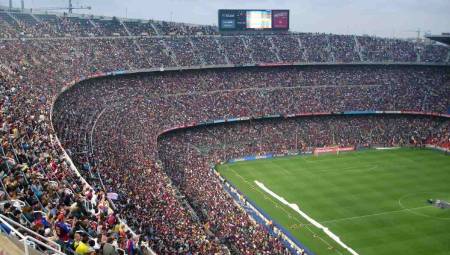


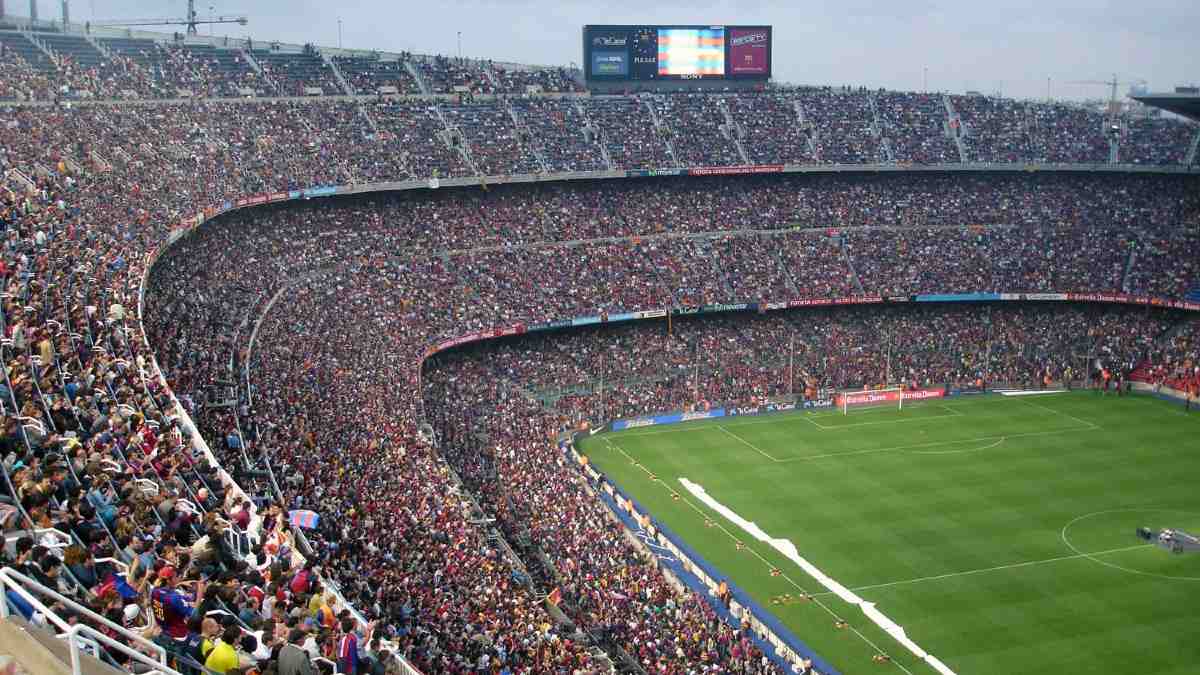
Latin America. The 2026 FIFA World Cup didn't just leave memorable moments on the pitch. It also tested the capacity of the digital infrastructure that made it possible for billions of people to follow matches in real time, share content on social media, check statistics, use AI-powered applications, and access digital platforms without interruption.
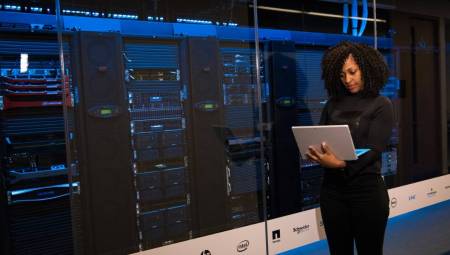
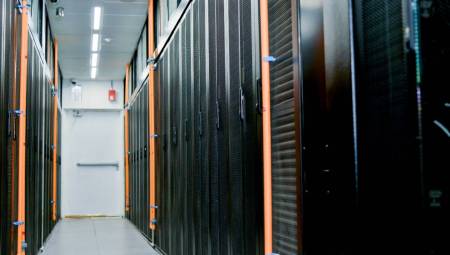
Each goal, controversial play or viral moment triggered an immediate reaction in the digital ecosystem. In a matter of milliseconds, millions of users connected simultaneously to watch live streams, share videos, receive notifications, check statistics, or place bets online. Behind that experience operated a complex network of data centers that responded with high levels of availability and resilience.
"The World Cup confirmed that the current digital infrastructure is prepared to support events of global scope, as long as there is an efficient integration between energy, cooling and processing capacity. During peak times, data centers automatically distributed workloads, scaled capacity, and maintained continuity of services for millions of users," said José Borges, Vertiv region manager.
An infrastructure that responded in real time
Throughout the tournament, demand for processing, storage, and connectivity increased significantly due to the simultaneous growth of streaming, social media, artificial intelligence, and other digital applications. In many cases, workloads evolved from medium-density environments to high- and even extreme-density configurations.
The tournament showed the importance of having infrastructure prepared to respond to peaks in demand, both from energy capacity and from cooling and operational continuity systems.
"One of the main lessons learned from the World Cup was that power, cooling and computing can no longer be managed as independent components. The successful operation depended on the entire infrastructure working as an integrated system, especially when the margin of error was practically zero," Borges explained.
The technology that made a seamless experience possible
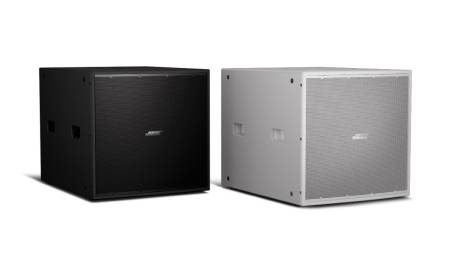
The digital experience of millions of fans was supported by technologies such as high-capacity UPS systems, adaptive liquid cooling solutions, prefabricated modular data centers, smart rack PDUs, remote monitoring platforms, and edge computing architectures that brought processing closer to users and reduced latency.
- These solutions made it possible to absorb traffic increases and maintain the availability of services even during peak times.
- The energy challenge was also evident
The increase in digital consumption during the World Cup also highlighted the need to optimize energy use in data centers. The industry responded through efficiency strategies that combine air and liquid cooling technologies, fan consumption reduction, operating temperature optimization, free cooling schemes and modular designs capable of activating only the required capacity.
"The tournament showed that the real challenge is not only to increase capacity, but to do it efficiently. Modern infrastructure must grow without energy consumption increasing in the same proportion, and that will continue to be one of the main objectives of the industry," said Borges.
The lessons for Colombia
Beyond the sporting spectacle, the World Cup left valuable lessons for the development of digital infrastructure in Colombia. The need for resilient, scalable, and energy-efficient platforms is becoming increasingly relevant for sectors such as banking, e-commerce, health, education, and utilities.
Likewise, the growth of edge computing, hybrid architectures and modular solutions confirmed that it is possible to respond to high-demand events without permanently oversizing the infrastructure.
"Organizations that continue to invest in flexible, resilient, and efficient digital infrastructure will be better prepared to face not only massive events, but also the sustained growth of the digital economy. The World Cup made it clear that resilience is no longer a competitive advantage, but an indispensable condition," concluded José Borges.
Which applications demanded the most from data centers?
During the World Cup, video streaming was consolidated as the activity that demanded the most resources from data centers, due to the enormous volume of processing, storage and bandwidth required for high-definition transmissions.
It was followed by artificial intelligence applications, used to generate real-time statistics, automatic summaries and personalized recommendations. This was followed by sports betting platforms, social networks – which registered huge peaks of activity after each goal and decisive play – and, finally, video games, whose demand was lower compared to the other applications during the matches.
Overall, the 2026 FIFA World Cup confirmed that the sporting spectacle is no longer solely dependent on what happens on the pitch. Its success was also supported by a robust, resilient digital infrastructure prepared to respond, in real time, to millions of connected users around the world.