

Ultimate Tecnhnology, a Colombian integrator, won the CALA Awards 2025 in its Best Lighting Project category. These are the details of the project carried out.
Richard Santa
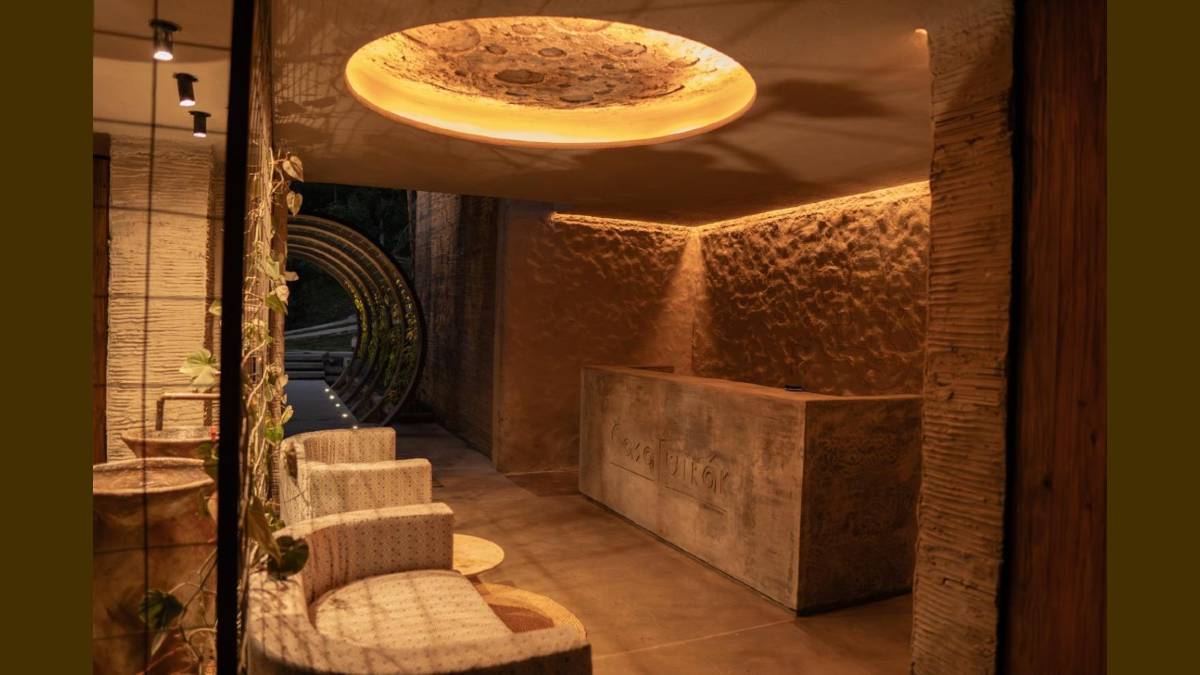
The Turiák is a boutique hotel located in the Barbas River Canyon of the city of Pereira, Colombia, it was designed not only as an engineering project, but as an immersive cultural experience. The purpose is for the guest to experience an environment inspired by the ancestral life of the Quimbaya and Pijao tribes, traditional indigenous peoples of the territory.
Lucas Valencia, CEO of Ultimate Tecnhnology, the integrating firm in charge of the project at the Turiák Hotel, told AVI Latin America all the details of the project. He noted that "To achieve this, technology needed to become invisible."
What did this mean in practice?
● Nothing can be seen "put on top".
● Nothing could seem modern, industrial or intrusive.
● No sensors, speakers, drivers, boxes, pipes, prominent cameras or obvious lights could be seen.
● Everything had to be embedded, integrated, hidden, as if the hotel breathed on its own.
● Technological elements had to "disappear" within the architecture, using:
○ Earth colors
○ Natural textures
○ Hidden optics
○ Invisible niches
○ Platforms and ceilings that absorb luminaires
○ Miniaturized devices
○ Almost imperceptible optics and grilles from the iGuzzini catalogue
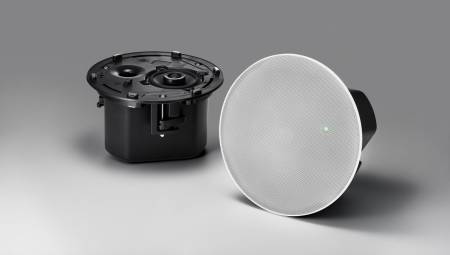
Fulfilling this requirement, Lucas Valencia detailed, the Extron speakers were installed in wooden niches, hidden between handmade patterns; Honeywell cameras were camouflaged between natural elements and organic structures.
In addition, a Lutron system made it possible to control scenes without the need to put visible switches. And everything moved under the Ultimate X control system with no exposed industrial boards.
"The slogan was only one: To create a modern hotel that did not look modern. A smart hotel that seems ancestral. Turiák is literally a hotel that feels like a Quimbaya village, but operates as a world-class automation building," said the CEO of Ultimate Technology.
Among the manufacturers and brands involved in the project are:
● iGuzzini architectural lighting with embedded luminaires.
● Lutron lighting control with stage scenes.
● Honeywell CCTV with analytics that triggers pre-configured light scenes.
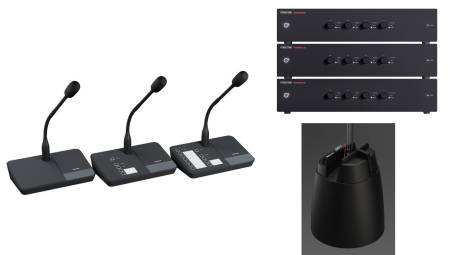
● Extron ambient audio, completely hidden in the architecture.
● SOLIFY solar energy, connected to the hotel's energy model.
● Water automation of lakes, pools and bodies of water.
● Ultimate X, which integrates all systems from software without using physical drivers.
Professionals involved:
● Lucas Valencia – Technical direction, integration design and cultural concept.
● Santiago Iglesias – Lighting design.
● Ultimate Technology technical team.
● SOLIFY equipment – photovoltaic energy installation and design.
The design of the lighting
Our guest said that from the beginning of the project, they understood that "this place could not be lit simply with lamps. He needed light with soul, light that evoked the ceremonial fire, the shadows of the guadua crossed by the moon, the atmospheres that once protected those who lived these lands before us. The inspiration did not come from design magazines, but from the songs, the fabrics, the myths. And technology was not an end, but the instrument to resignify that memory in a contemporary key."
The lighting of the Hotel Tuirak is born from a powerful premise: that light can be an act of memory and presence. That's why we select luminaires that not only meet rigorous technical parameters, but also communicate, caress and transform. From the Trick Radial that cast soft shadows on living facades, to the Easy or Laser Blade XS that build warm atmospheres in intimate rooms, each luminaire was placed as if it were a ceremonial element. Nothing is left to chance. Everything vibrates in harmony.
The rooms, for example, were designed with a lighting system that mimics the way indigenous cultures experienced the night: with indirect, warm lights that do not invade, but accompany. The use of bamboo as a natural filter, combined with adjusted optics and DALI control, allowed us to simulate the passage of light through the cracks of an ancestral house. At night, the walls seem to breathe. Architecture becomes narrative.
In addition, the entire lighting design is calibrated to accompany and respect the circadian rhythms of the human body. The intensity, tonality and distribution of light vary throughout the day, simulating the natural cycles of sunlight, promoting rest, activation or relaxation depending on the time. This attention to integral well-being turns each room into a complete sensory experience, where the guest not only inhabits a space: they feel how the space inhabits them. Technology at the service of biology, in sync with nature and comfort.
Challenges and results
One of the challenges of the project, Lucas Valencia recalled, was that the hotel is located in a natural environment of high humidity and light variation. In addition, as already mentioned, the architecture recreates the aesthetics of the Quimbaya and Pijao peoples, so all the technology had to be embedded, camouflaged and minimalist, without visible elements. Being a new hotel, the systems and technological architecture were created from scratch, which allowed all the details to be taken into account from the beginning.
"The client asked us to create a hotel that works on its own, without manual operation. In which light, security, solar energy, sound and water could be integrated into a single system, optimizing sustainability and reducing costs. In the end, we will be able to offer a premium boutique experience of a cultural and natural nature," he said.
For the end customer, the advantages of the project were:
● Autonomous operation, no manual loading.
● Indigenous aesthetics preserved thanks to the embedded equipment.
● Energy sustainability with a 20–30% reduction in consumption.
● Discreet but effective security.
● Premium sensory experience: warm light, natural sound, coherent atmospheres.
● Stable and controlled water integration.
● Unified technology ecosystem with maximum efficiency.
"The hotel looks like an indigenous village, but it functions like a world-class smart building. Technology is not seen, but it is felt in everything. The customer experience was very special and consultative from start to finish. Now the building has a life of its own, just as the teams at Ultimate and Solify planned. The project became a regional reference for an eco-friendly boutique hotel, mixing culture, sustainability and advanced automation with completely hidden technology," concluded Lucas Valencia.
The project is in the process of receiving LEED Gold version 4 environmental certification, a recognition that reflects a design vision that is not limited to aesthetics, but is projected into the future as a model of living, functional and regenerative architecture.
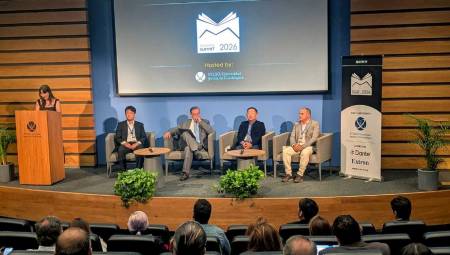
CALA Awards 2025 Winner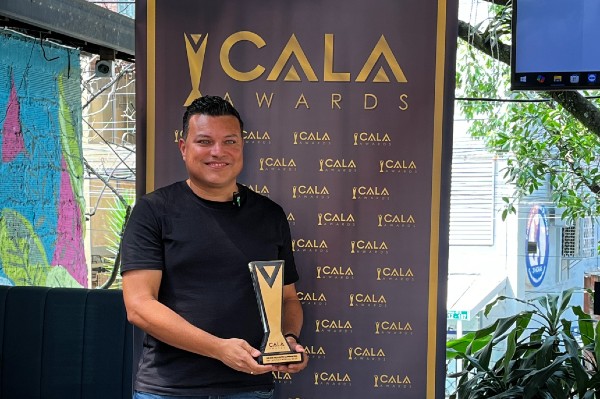 This year, the CALA Awards, an award that recognizes the best AV projects and is organized by AVI Latin America, included a new category that recognizes the best lighting projects. This category is awarded in partnership with IALD Mexico chapter, who were in charge of selecting the finalists.
Regarding his interest in participating in the CALA Awards 2025, Lucas Valencia mentioned that the main motivation, with the project at the Turiák hotel, was to demonstrate that in Latin America cultural and highly technological hotel experiences can be created without losing aesthetic authenticity.
"Winning this recognition means validating internationally that a Colombian company is capable of developing and integrating invisible intelligent ecosystems, with cultural identity, sustainability and advanced automation," he concluded.